

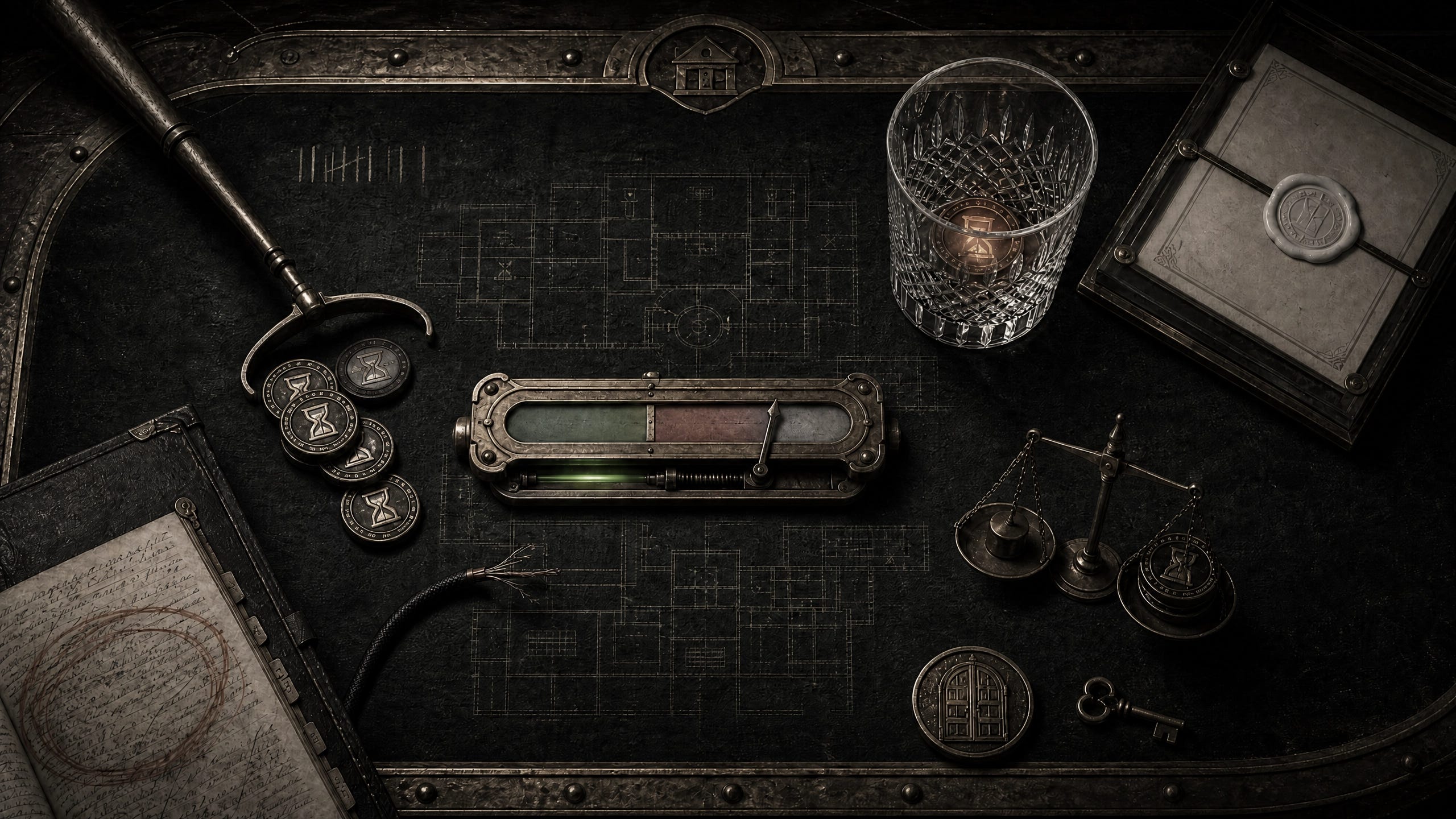
In 2026, the most important piece of UI in tech might not be the chat box.
It might be the usage bar.
That little pastel rectangle. Green and you’re flying. Red and you’re a peasant again. Grey and Softbank Sammy’s Credit Dealers are somewhere in a spreadsheet deciding whether to slide more chips across the felt.
A lot of the time, they do.
Not because OpenAI suddenly got soft. Because somebody in that building figured out something old and slightly evil that still works when the product is actually good: the free sample that isn’t free. The top-up that isn’t mercy. The $200 “premium” plan that starts behaving like customer acquisition with nicer branding.
That’s the Great Credit Reset Wars of 2026 in one picture.
Meanwhile half the internet is still live-tweeting benchmarks like it’s the NBA. Fine. Let them.
Softbank Sammy and the second hit
Codex had a ridiculous year. Eight million people. Climbing. Humans rebuilding their whole workday around a model that writes, fixes, runs agents, and makes the old way of coding (or doing any work at all) feel like you were doing it with a butter knife.
Then the resets started showing up.
You burn through the credits. You hit the wall mid-thought. That dumb little moment where the machine was mid-sentence and just... vanished. You stare at the bar. You do the math. Wait for the refresh? Or eat another charge and pretend you’re being strategic?
Then, sometimes: more.
A reset. A gift. A soft ceiling that turns out to have been a suggestion.
And you finish the thing you were building.
That finish is the whole commercial plot, if you ask me.
Because once your Tuesday depends on their stack, you’re not really deciding whether to renew Pro. You’re deciding how fast to put API spend on the company card before your team loses their minds. Enterprise. Compute. Burn rates with Slack channels.
The $200 plan was never the product.
It was the tasting menu for people who might buy the kitchen later.
While that was happening, the Safety Shop at Anthropic was writing another careful note about not being reckless. Claude stayed excellent. The gift shop stayed closed.
The war nobody puts on the launch stage
Look, the loud war is models. Who scored higher. Who hallucinated less. Who dropped a demo that broke X for an afternoon. Who published the most solemn thing about humanity.
You can watch that if you want. It’s loud for a reason.
The quieter war is who owns the feeling when the bar dies.
A usage reset isn’t “support.” It’s a bet. You’re close enough to shipping something that one more hit of runway gets you over the line. And once you’re over, you don’t casually go back to writing everything by hand like it’s 2022.
Codex figured that out clean.
Get you in. Make the product good enough that your calendar bends around it. Let you hit the wall. Refill the glass just enough. Wait.
The invoice conversation kind of writes itself after that.
People call this marketing. Sure. But marketing only works here if the drug is actually excellent. Mid models can’t run this play. Top-tier models can run it until your hands forget another home.
Eight million users in, the Credit Dealers don’t look confused.
They look like they’re winning.
The Safety Shop still thinks the trophy is the point
Claude is excellent. I’m not going to pretend otherwise to sound “balanced.”
When Claude is good, it’s really good. Careful, sharp, sometimes so thoughtful you forget the people who built it seem a little freaked out by what they made. The Safety Shop gets a lot of things right.
You can be right about safety and still be late on distribution. Those two things hang out together all the time.
Anthropic hasn’t been running the reset carnival. They haven’t treated Max like a funnel in a tuxedo. Measured. Principled. Almost allergic to the idea that $200 a month might be the audition, not the encore.
Like the AI wars of 2026 would be settled by whoever had the cleanest conscience in the gift shop.
I get it. Adults in the room. Good.
Adults who won’t play the board still lose the board.
One side is running taste, then habit, then invoice.
The other is running safety, reputation, and a quiet hope that the market notices their virtue.
Guess which one has eight million people rearranging their Tuesdays.
Habit is underrated in these debates. Once it lives in your hands, it does not care about your eval chart. It does not care about your thoughtful post explaining why you’d never do the cheeky thing your competitor just did.
The rest of the circus
Zoom out and the frontier looks like a tournament of mildly unhinged tactics.
Google, forever the Sleeping Giant, keeps shipping things that feel designed by the same committee that designs airport carpet. Capable. Confusing. Every so often so good it makes you mad they couldn’t just ship the obvious version before three product names died in a ditch.
Meta throws open-source confetti and hopes developers will do the hard part for free. Classic.
The Chinese labs move fast enough that Western roadmap slides start looking like spa itineraries.
And Softbank Sammy’s Credit Dealers? Casino economics with a straight face. Limits that create want. Resets that feel like love notes from a house that already knows you’re coming back. Subscriptions that onboard you for the real tab.
Every frontier lab is pulling levers.
Except the ones still pretending this is a TED Talk with better GPUs.
Model quality still matters. If your model is mid, free credits just help people get disappointed faster. The taste has to be real.
But once you’re in that top band (Codex-good, Claude-good, Gemini-on-a-good-day-good), the next fight isn’t another half-point on a leaderboard your mom will never see.
It’s who owns the moment the bar goes grey.
It’s who understood that topping you up isn’t generosity. It’s second-hit economics for people who build software for a living.
When the business model is lying a little
I’ve been through enough cycles to spot when a company sells you one story and cashes another.
AI told everyone the story was intelligence.
True enough. Incomplete in the way that makes people money.
Somewhere under the demos and the safety blogs and the solemn posts about humanity, a quieter story has been writing itself in pastel green and grey.
A bar fills. A bar empties. Sometimes, almost casually, it fills again.
And the people who live inside that loop stop thinking of it as a subscription. They start thinking of it as the place where work happens. Then work walks into the office. Then the office asks for an API key. Then the personal plan was never really the point.
Codex has been generous in public. Anthropic has been careful in public. Both can be true at the same time. History is full of careful companies and generous ones, and the market has its own taste for which story it rewards first.
I won’t spoil the ending for you. You already know how this kind of movie goes.
Chips on the felt
Next time your credits die mid-sentence, sit with it for a second.
That little humiliation. That dumb pastel rectangle deciding whether your afternoon still exists.
Then notice what the house does.
Some houses leave you there, staring at the empty glass, contemplating virtue.
Some houses slide a few more chips across the felt and smile like nothing happened.
You don’t need me to tell you which one ends up owning the room.
Just watch the bar.
It’s been telling on everybody all year.